Small Town Universe: Cinematography Built on Restraint and Scale
Brian Schulz served as director of photography on Small Town Universe, a documentary about the community beside a radio telescope in Green Bank. His cinematography pairs patient observation and intimate portraits with wide Appalachian landscapes, keeping the people at the center of the science story.
By Brian Schulz · Director of Photography · Hot Fuss Films
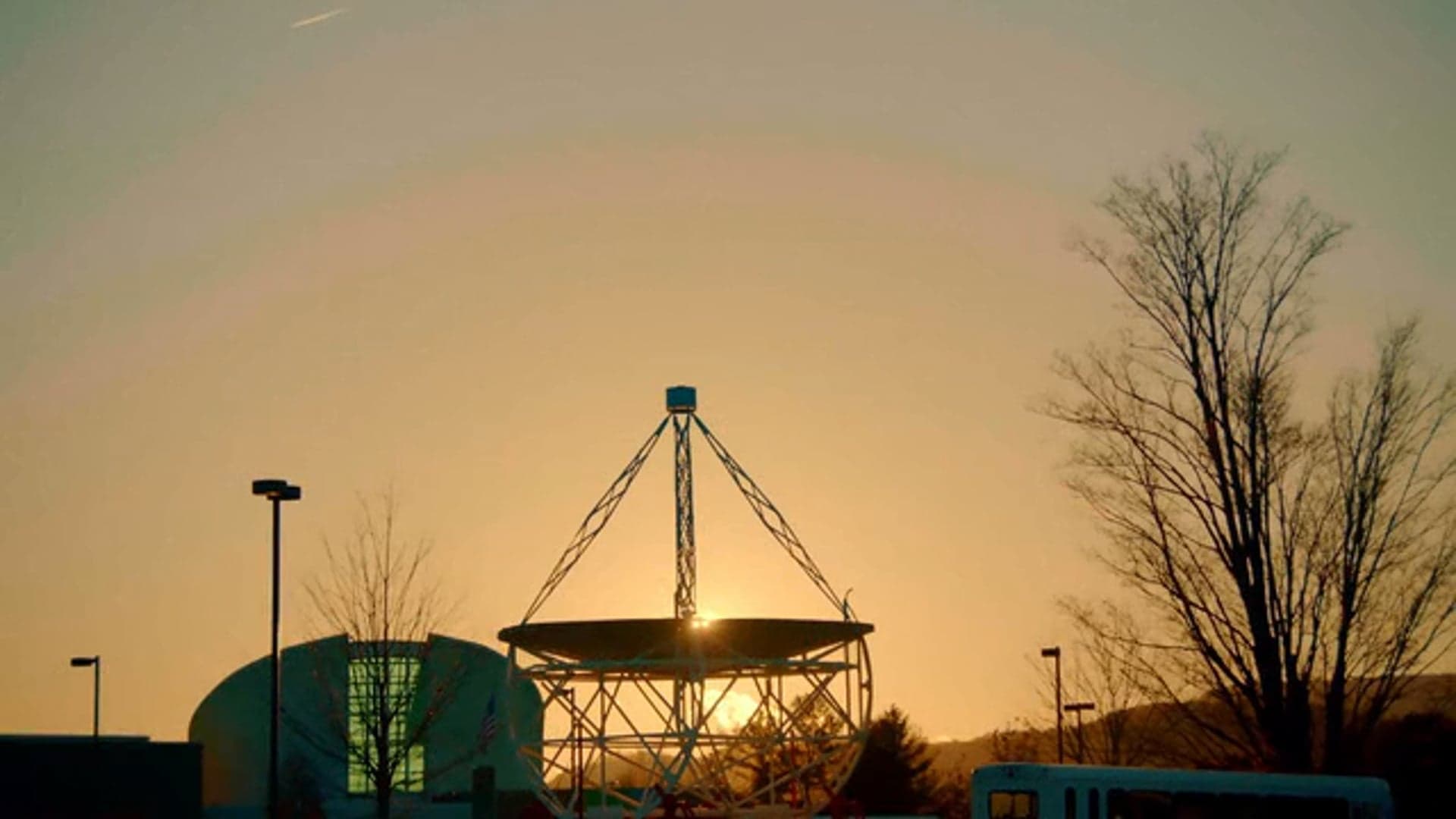
Making an extraordinary science story human
I came onto Small Town Universe as DP. The film is built around a radio telescope in Green Bank and the search for signals from across the universe, but my job wasn't to make that science look impressive. A film about an instrument built to listen to the universe could easily become a film about the instrument. My job was to keep the camera on the people who live beside it.
the rest of the documentary features and shorts
A visual language built on restraint
The film's central idea is listening. Once that was clear, the cinematography had an obvious job: get out of the way. Green Bank is quiet in a way most places aren't, and I didn't want to shoot it the way a science segment would — establishing shots and graphics-ready inserts, the visual shorthand for "technology." I built the visual approach around restraint, observation and atmosphere. Restraint isn't an absence of choices. It's a discipline — deciding what a scene doesn't need, and holding a shot still enough that the silence has somewhere to live.
Scale: a telescope in the landscape, a life in a room
A massive radio telescope dominates the landscape, and much of the actual storytelling happens in small, personal moments. Neither one carries the film on its own, so we moved constantly between sweeping Appalachian environments and intimate portraits of the people whose lives run alongside it, letting the gap between them sit there instead of explaining it away.
Green Bank, without the stereotype
Rural Appalachia carries a lot of visual baggage in documentary work. I used observational cinematography to immerse the audience in Green Bank rather than illustrate an outsider's idea of it — to find intelligence, curiosity, resilience and humanity in this community without sensationalizing it or romanticizing it. That meant staying close enough, and patient enough, to give people room to stop performing for the lens.
Applying restraint and scale to documentary cinematography
None of this comes from a formula I run on every project. It comes from figuring out what a given story is actually about before deciding how to shoot it. On this film, that meant recognizing early that listening was the idea underneath everything else — and knowing what to leave out.
Brian Schulz's awards and festival selections
It's the approach I bring to any story built around something outsized — an instrument, an institution, a record nobody else has broken: find the smaller, human story inside it, and trust that the audience feels the scale precisely because the camera doesn't insist on it.