How I Built a Visual Portrait of Shane Mosley Jr. for Zuffa Boxing
For a Zuffa Boxing portrait of Shane Mosley Jr., director of photography Brian Schulz contrasted a composed, cinematic interview with observational training and sparring footage. Archival family imagery connects the fighter's present to his boxing heritage.
By Brian Schulz · Director of Photography · Hot Fuss Films
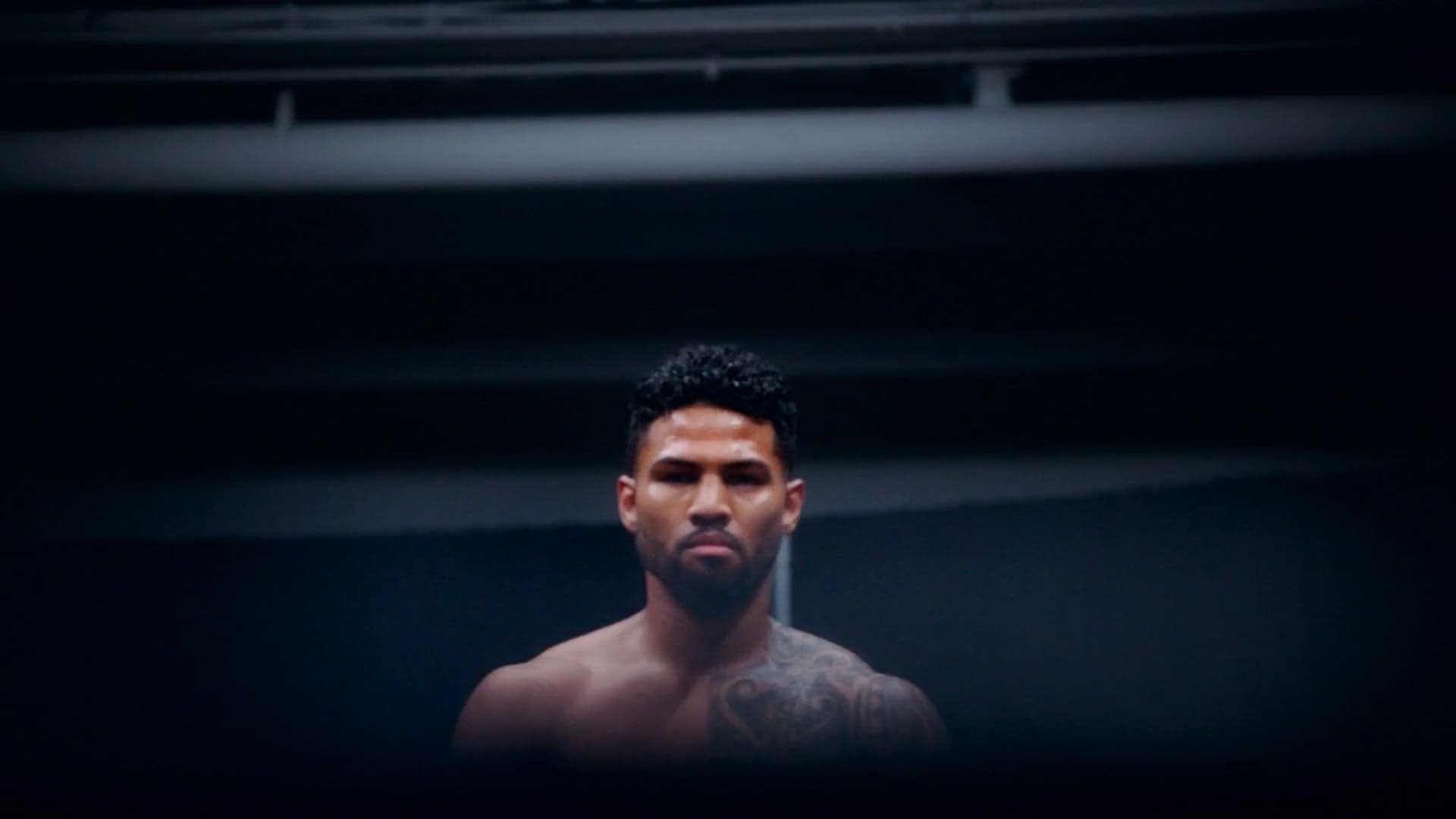
The assignment: a Zuffa Boxing portrait of Shane Mosley Jr.
This is a portrait of Shane Mosley Jr. for Zuffa Boxing, not another career rundown — a streaming feature aimed at the person behind the fighter. The idea underneath it was a fighter carrying two things at once: the ring in front of him, and the history behind him. That shaped every choice that follows.
brand, sports and streaming work
Two registers, one rhythm
A portrait like this needs contrast, so I split the visual approach into two registers that work against each other: the interview, still and composed, and Shane training and sparring, verité and observational. The quiet material carries more weight because the physical material is so different, and the physical material lands harder because we've just spent time somewhere calm.
Building the interview
I wanted the interview to feel cinematic: lighting that shapes the frame, composition that gives Shane room to sit inside the shot, and a shallow depth of field that separates him from everything behind him, so nothing competes with what he's saying.
Where the camera goes when the gloves come up
The training and sparring footage is built the opposite way — observational coverage that stays close to the action rather than staging it for the lens. It's less about where I put a light than where I put myself, and it shows what the sport actually costs a body.
A story with a history behind it
The other half of the construction is time, not just register. Shane's story is connected to a family boxing legacy and a childhood spent inside it. Archival imagery and family moments, visually tied to the present-day footage, make that generational thread something an audience sees rather than something they're only told — a meaningful part of the difference between a profile and a portrait.
Brian Schulz's credits, awards and selections
Building cinematography for a premium streaming feature
A piece like this also has to hold up next to what a major streaming platform expects — the visual quality and emotional sophistication of something like Paramount+ — without losing the person the portrait is about. What a client is actually hiring is the read on a story before the camera ever moves, finding the idea underneath it and building the cinematography from there. Any subject carrying a present and a past at once — a fighter, a team, someone outside sports altogether — is the shape of story this approach is built for.